
Vulcan Elements#79
About
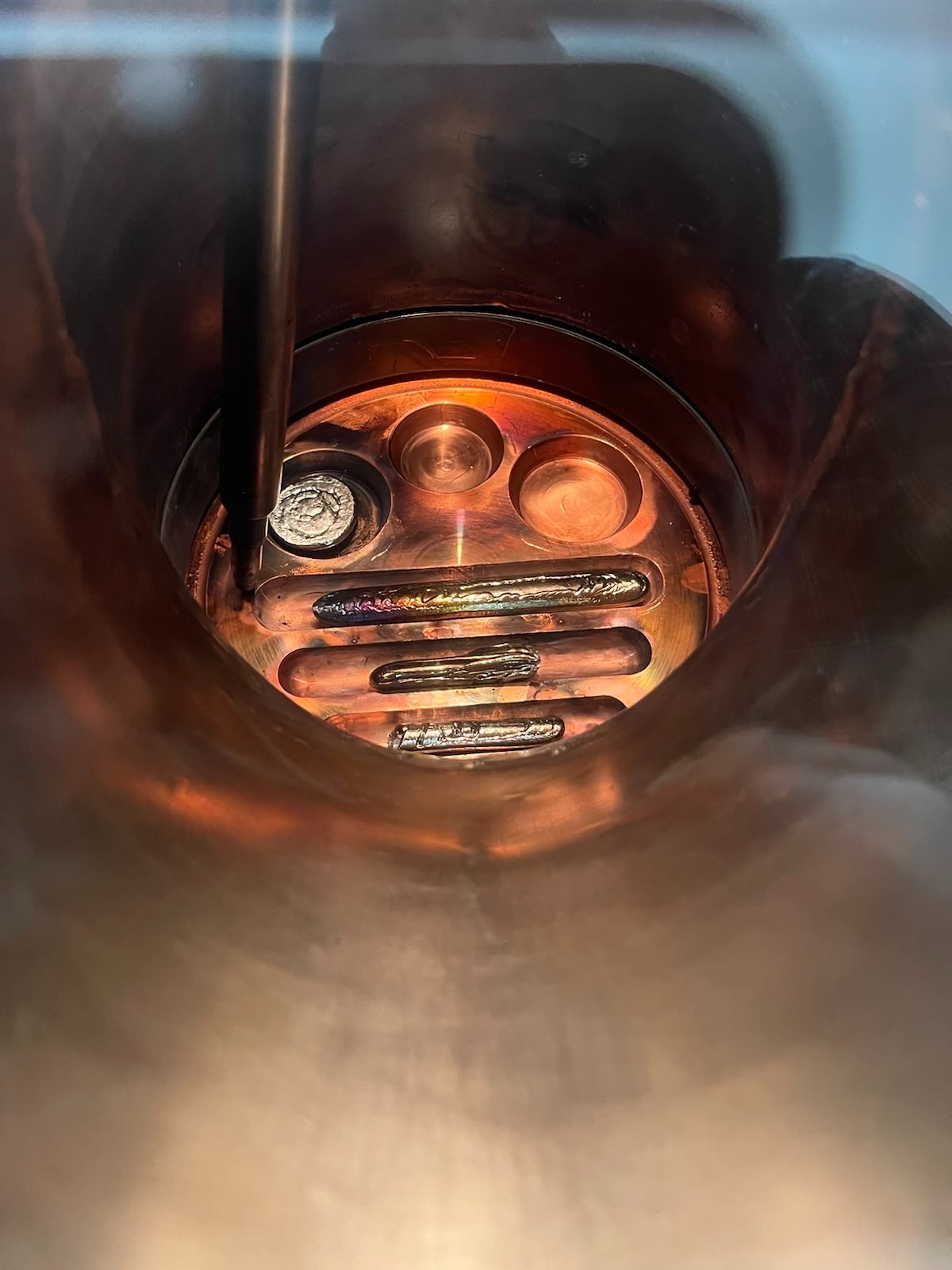
Vulcan Elements is a North Carolina-based manufacturer of high-performance sintered neodymium rare-earth magnets, building a vertically integrated domestic U.S. supply chain to reduce reliance on China.
From X
Follow the money on this one. It is rotten to the core. The Pentagon just lent $620,000,000 to a tiny North Carolina startup called Vulcan Elements. The company is two years old. It had fewer than 50 employees. And three months before the deal was announced, Donald Trump Jr.’s venture firm quietly took a stake in it. Here is the part the administration tried to bury. Of the dozens of companies the Pentagon was weighing, Vulcan was the only deal initiated by a top White House aide. That aide was Peter Navarro, a close friend of Trump Jr. The order came down to move fast. One official put it plainly: The call came from the White House. We have to get this done. Staff worked late nights to push it through in weeks. Deals like this normally take many months of vetting. And when it closed, Vulcan’s valuation jumped from about 200 million dollars to roughly 2 billion. A windfall for the investors, including the president’s son. This is public money. Your money. Routed through the Pentagon to enrich the president’s family and their friends. The Bush administration’s own chief ethics lawyer called it corruption we pay for. And there is more coming. A drone parts company Trump Jr. holds a stake in is also under Pentagon review. This is not a one-off. It is a pattern. The president’s family is treating the federal Treasury like a private bank, and the bill lands on every taxpayer. https://t.co/4kB1cZNmlE
Donald Trump Jr. joined 1789 Capital as a partner in November 2024 - the month his father won the election. Since then, four of the fund's portfolio companies have received government contracts totaling more than $735 million. The largest single award: a $620 million Pentagon loan to Vulcan Elements, a 30-person rare earths startup. It was the largest loan in the history of the Pentagon's Office of Strategic Capital. In February, Trump Jr. told the Financial Times he was "very involved in the strategic decisions regarding where to invest our resources" at 1789. He also said the firm "understands what the administration wants to do, because we helped craft some of the messaging." Now Bloomberg is reporting that Mixed Martial Arts Group Ltd. - an Australia-based company with Conor McGregor as an investor, in which Trump Jr. invested and serves as adviser via the Trump family-affiliated American Ventures LLC fund - is pitching the US military and first responders for training contracts. Senators Warren, Kim and Blumenthal sent a letter to Pete Hegseth in January asking whether DoD contract decisions involving companies linked to Trump Jr. were affected by conflicts of interest. "If this is the case, it could mean that the Trump family is profiting from funds appropriated by Congress to keep Americans safe," they wrote. Hegseth is the man who fired the generals. He now controls the contracts. Trump Jr. helped craft the administration's messaging. The pattern is documented and the timeline is not in dispute.
When the Pentagon announced a $620 million loan last year to a small North Carolina startup linked to Donald Trump Jr., defense officials and the company tried to tamp down suspicions of cronyism. The president’s eldest son said through a spokesperson that he wasn’t involved. The Pentagon said Trump Jr. played no role in the record-setting deal. And the startup’s founder told reporters that his company, Vulcan Elements, received no political favoritism.
“The call came from the White House: We have to get this done,” the person said. About three months before the Pentagon announced plans to lend money to Vulcan Elements, Donald Trump Jr.’s venture capital firm took an undisclosed stake in the company. https://t.co/q1i7ylna8q
BREAKING: @RepDexterOR moves to subpoena Donald Trump Jr. to testify before Congress about potential conflicts of interest related to a Pentagon loan to Vulcan Elements, an investment of Trump Jr's venture capital firm 1789 Capital. Dexter compares DTJR's deal to Hunter Biden.
🚨🚨🚨 earlier this year, US defense supplier United States Antimony Corporation tried to ship 55 metric tons of antimony mined in Australia to its smelter in Mexico via 🇨🇳 Ningbo port — a routine practice until recently. But in April, while the shipment was being transloaded in Ningbo, 🇨🇳 customs detained it for 3 months, prompting United States Antimony to ask the State Department and White House for help. The Chinese released the shipment in July, on the condition that it be sent back to Australia and not to the US. When it arrived in Australia, United States Antimony learned that product seals had been broken. It is currently working out whether the antimony has been tampered with or contaminated. 🚨🚨🚨 in May, New Hampshire-based ePropelled, which makes propulsion motors for drones, received unsettling questions from its 🇨🇳 magnet supplier. The supplier sent 🇨🇳 government forms demanding sensitive information including drawings and pictures of ePropelled’s products and a list of buyers. It also asked for assurances that the rare-earth magnets China would supply ePropelled wouldn’t go toward military applications. “Of course we are not going to provide the Chinese government with that information.” ePropelled has about 100 customers, including large American defense contractors and drone manufacturers in Ukraine. So its Chinese suppliers paused shipping, and ePropelled had to delay some customer orders by one or two months — double the amount of time it usually takes to deliver its motors. The company sought alternative suppliers in the US, Europe and Asia, including buying magnets from vendors in Japan and Taiwan, although they too rely on rare earths from China. The company also struck deals with startup magnet producers Vulcan Elements in North Carolina and Oklahoma-based USA Rare Earth. However, those startups won’t have supply ready for ePropelled until at least the end of this year and will need to build up alternative sources of Chinese-dominated minerals as they scale up production.
News
Polls
Can the U.S. break China's rare-earth magnet dominance by 2030?