Isomorphic Labs
Top 100
Illustrative curve — no price history on file for this company.
Funding
Raised a $2B round on May 12, 2026, bringing the total raised amount to $3B.
Top posts
Bo Wang
@BoWang87
Dario Amodei just said the quiet part out loud: The real AI moats aren't in chatbots. They're in medicine and the physical world. Anyone can wrap a model in a pretty UI. Very few can navigate FDA trials, biological complexity, and regulatory mazes. The biggest AI companies won't be the ones building addictive apps. They'll be the ones quietly extending human life. This is why Anthropic is betting on Claude in healthcare. Why DeepMind spun off Isomorphic Labs. Why every major lab has a "biology" team now. The consumer AI race is a feature war. The real race is understanding protein structures and functions, drug discovery, and cellular mechanisms. Winner takes decades. Not months.
Karl Mehta
@karlmehta
Demis Hassabis explains Isomorphic Labs' 10x drug discovery engine, and why solving disease could also create a multi-hundred-billion-dollar business "If you ask me, the number one thing AI can do for humanity, it would be to solve hundreds of terrible diseases. I can't imagine a better use case for AI." "If you could revolutionize the drug discovery process, make it 10x faster and more efficient, and more likely to pass through the clinical trials because you can predict the properties better, that has to also be of enormous commercial value too." "I hope to do both with Isomorphic." "Build a multi-hundred-billion-dollar business. I think it has that potential, as well as being incredibly beneficial for society and humanity." The real health AI prize is not another chatbot. It is compressing the path from a predicted drug property to a clinical trial, then turning that speed into treatments for hundreds of diseases. Demis is making a rare dual bet: the most valuable AI company in biology may also deliver AI's most valuable public benefit. - Demis Hassabis (@demishassabis), CEO of Google DeepMind and founder of Isomorphic Labs, on @BloombergTV
Wes Roth
@WesRoth
Google DeepMind has dismantled the original team behind AlphaFold as it shifts its scientific strategy toward Gemini-powered systems. Most authors of the original AlphaFold papers have been reassigned over the past year to projects involving Gemini, genomics, enzyme design, and nuclear fusion. Others have moved to Alphabet’s drug-discovery company, Isomorphic Labs. Nearly a quarter of the original full-time DeepMind authors have left Google entirely, including Nobel laureate John Jumper and researchers Jonas Adler and Alexander Pritzel, who joined Anthropic. This does not mean AlphaFold is being discontinued. Its database still contains more than 200 million predicted protein structures, while AlphaFold 3 and related drug-discovery work continue through DeepMind and Isomorphic Labs.
Mgoes (bio/acc 🤖💉)
@m_goes_distance
We are barely 6 months into 2026 here's some of the most unhinged biotech and longevity stuff this year alone: - germline editing hit 100% efficiency with zero chromosomal abnormalities using base editing instead of CRISPR cutting - a baby was born from an embryo selected for an IQ in the 99.99th percentile. the company behind it openly calls it eugenics - Midjourney, an AI image company, pivoted into medical hardware with a full body ultrasound scanner that takes 60 seconds - China reversed type 2 diabetes in a patient using stem-cell-derived insulin cells. insulin stopped completely. the body took over - an Australian founder sequenced his dog's cancer, used AI to design a custom mRNA vaccine, and watched the tumor shrink - daraxonrasib nearly doubled survival in pancreatic cancer. one of the deadliest cancers on earth. a 42 second standing ovation followed - retatrutide hit 30% bodyweight loss in Phase 3. bariatric surgery territory from a peptide - Eli Lilly bought Verve Therapeutics for $1B after one gene edit delivered permanent cholesterol reduction in human patients - Life Biosciences dosed the first human with a therapy built to reverse cellular aging. the anti-aging era entered the clinic - Demis Hassabis raised $2.1B for Isomorphic Labs on top of billions in pharma partnerships to build AI-designed drugs - Brian Armstrong's NewLimit raised $435M at a $3.1B valuation to pursue cellular rejuvenation - China launched a 2,000 person trial testing stem cells for age-related decline. the largest organized longevity study ever attempted forget software, biology is the new frontier. and the people building the infrastructure behind all of this are the ones we actually want to talk to SuperHuman Fund backs the layer underneath the headlines: peptide validation, biological age diagnostics, trial site intelligence, BCIs, epigenetic reprogramming, and the picks and shovels nobody else is funding if that's you, let's talk
Ole Lehmann
@itsolelehmann
Demis Hassabis says he can cure every disease in 10 years. Most people roll their eyes when they hear this, but I don't. Demis is the guy who just won the Nobel Prize for solving protein folding with AI (a problem biologists had been stuck on for 50 years). But that was just one milestone in his much grander plan. In 2010, he founded DeepMind with a 2-part mission: "solve intelligence, then use it to solve everything else." Step 1: make AI good enough to do real science. Step 2: point that AI at humanity's biggest problems. Step one was AlphaFold. He used AI to figure out the 3D shape of every protein in nature (which is basically what every drug attaches to). Demis said it would have taken "a billion years of PhD time" to do by hand. Step two is curing all disease. And as of today, step two is fully funded. Isomorphic Labs (his AI drug discovery company inside Google) just raised $2.1B led by Thrive Capital. Here's where the money goes and what Demis thinks happens next: > Drug discovery currently takes 5-10 years and costs billions per drug. That math is why most diseases don't have good treatments today. > AI fixes the math. Their drug design engine compresses development from years to months. Maybe weeks. > Isomorphic's first AI-designed cancer drug enters human trials this year. > Their pipeline expands beyond the current 17 programs across cancer, immune diseases, and heart disease into more health domains. > The endgame is personalized medicine: drugs designed overnight for your specific biology and your specific disease. That last one is the whole point. Today's drugs are mass-produced for an "average" patient who doesn't really exist. So most existing treatments work inconsistently from person to person, and most rare diseases never get a treatment at all (no market = no drug). When drug design gets fast and cheap, that whole calculus flips. Cancer variants get drugs designed for that specific variant, rare diseases get treatments because economics stop mattering, and drug-resistant infections get new drugs faster than they can evolve. That's what curing every disease actually looks like. Now imagine what your life looks like in 2036. A doctor draws your blood, sequences your genome, sends your disease profile to an AI. By morning the AI has designed a custom drug for your specific biology. Side effects, dosage, drug interactions all worked out before you take the first pill. You and your kids never see a cancer ward. That's what $2.1B is buying today. Demis was right about AlphaFold. If you consider the possibility that he's right again, every disease alive today is on borrowed time.
Podcast Alpha
@PodcastAlphaX
$GOOGL has an anti-aging asset nobody is pricing. Friedberg @friedberg walked through a Calico paper that should be on Alphabet holders' radar. Calico is Google's longevity lab. Working with Revel Pharma, it used AlphaFold plus directed evolution to design a novel enzyme that degrades CML, the glycation end-product that stiffens tissue and drives aging. The result is not a slide. Across five recursive design cycles the enzyme degraded **52-97%** of CML on human proteins, and on donated skin from patients over 70 it eliminated about **55%** of CML - reversing the skin's profile toward that of a 31-year-old. It is AI-designed proteins doing something genuinely new in biology, not a benchmark score. Chamath @chamath frames the first market as cosmetic: a workable anti-aging cream is a multi-trillion-dollar category. This is the AlphaFold thesis paying out in a product line, and the AlphaFold-to-drugs bridge is exactly what Demis Hassabis @demishassabis has argued is the real near-term return on Google's AI - not chatbots, but designed molecules. Same company, same stack, a second revenue engine the market files under "research." Implication: this is deep-optionality inside a name you already hold on search and cloud. It does not move the $GOOGL model this year. But it is a reminder that Alphabet's AI edge shows up in drug and materials design, an option the Street assigns roughly zero value. If a Calico or Isomorphic asset reaches a real market, that is upside no analyst is underwriting. Watch for Calico or Isomorphic Labs to move a designed molecule toward a commercial or clinical path.
Hiring Signal
Based on public job postings · updated monthly
Latest news
Public companies tied to Isomorphic Labs
About Isomorphic Labs
Isomorphic Labs is an AI-first drug discovery and design company spun out of Google DeepMind in 2021 and owned by Alphabet, headquartered in London. It uses AlphaFold-derived AI models, including its proprietary IsoDDE drug design engine, to predict molecular structure and design new medicines, and runs drug-discovery partnerships with Novartis, Eli Lilly and Johnson & Johnson. In May 2026 it raised a $2.1 billion Series B led by Thrive Capital, one of the largest funding rounds ever in AI drug discovery.
Isomorphic Labs on video
 47:08
47:08A quest for a cure: AI drug design | Isomorphic Labs
Google DeepMind · Feature
 2:28:14
Demis Hassabis: Future of AI | Lex Fridman Podcast #475
Lex Fridman · Interview
 1:07:27
Demis Hassabis & Paul Nurse: the future of science with AI
Nobel Prize · Talk
 16:41
16:41Demis Hassabis on AGI by 2030, Curing Every Disease
Rowan Cheung · Interview
Founders
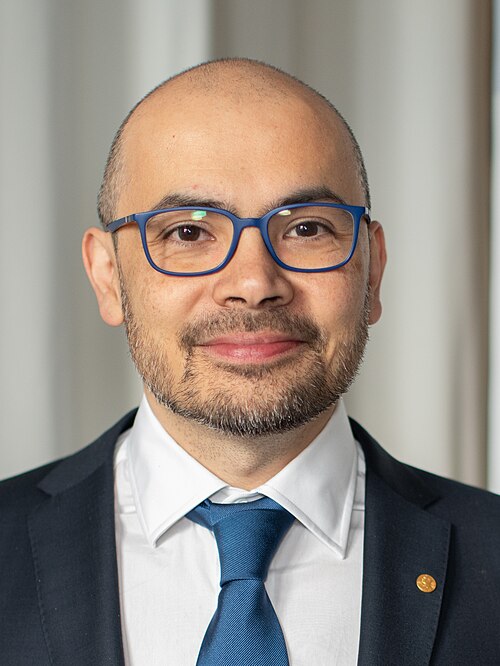
Demis Hassabis
Founder & CEO
Sir Demis Hassabis founded Isomorphic Labs in 2021 and is its CEO; he is also co-founder and CEO of Google DeepMind and shared the 2024 Nobel Prize in Chemistry for AlphaFold. Born 1976, he is a former child chess prodigy, game designer and neuroscientist.
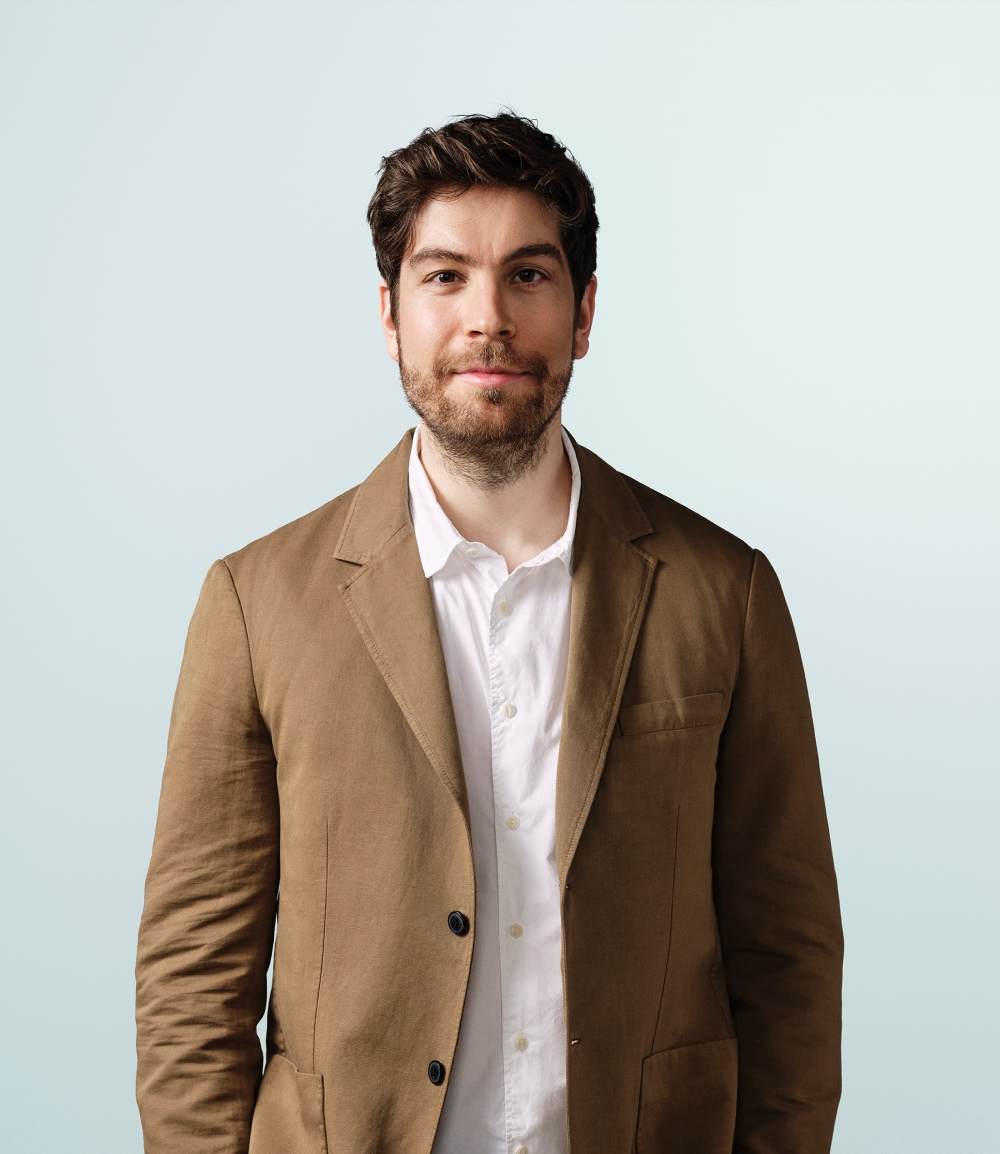
Max Jaderberg
President & Chief AI Officer
Max Jaderberg is Chief AI Officer and, from January 2026, President of Isomorphic Labs, overseeing its AI drug-design models. He previously led open-ended learning research at Google DeepMind. He joined Isomorphic in 2023 and is not a co-founder of the company.
Key leaders
Recent hires
Jessica Friedman
Head of Translational Sciences
Previously at 4:59 NewCo, a 5AM Ventures Company · Greater Boston
Joined Jul 2026
Beth Williamson PhD
Head of DMPK & QP
Previously at MSD in the UK · United Kingdom
Joined Feb 2026
Ryan Pinto
Vice President, Business Development
Previously at Schrödinger · Cambridge, Massachusetts, United States
Joined Jun 2026
Marisa Wainszelbaum
Head of Clinical Sciences
Previously at Self-employed · Cambridge, Massachusetts, United States
Joined Jun 2026
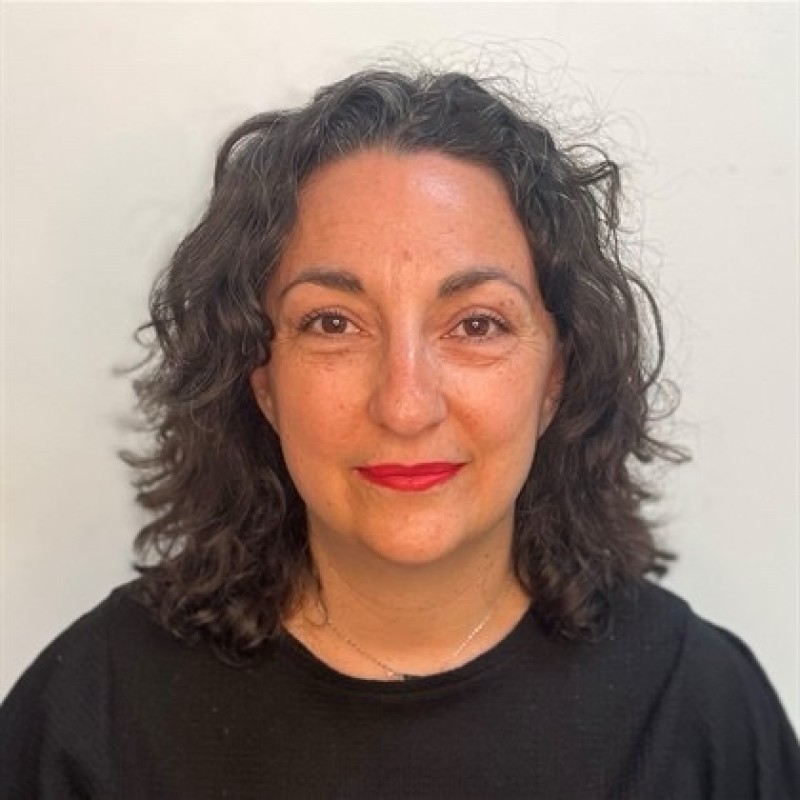
Susana Lopez Alcantara
Senior Research Investigator, Technical CRO Manager
Previously at Dompé Pharmaceutical · United Kingdom
Joined Jun 2026
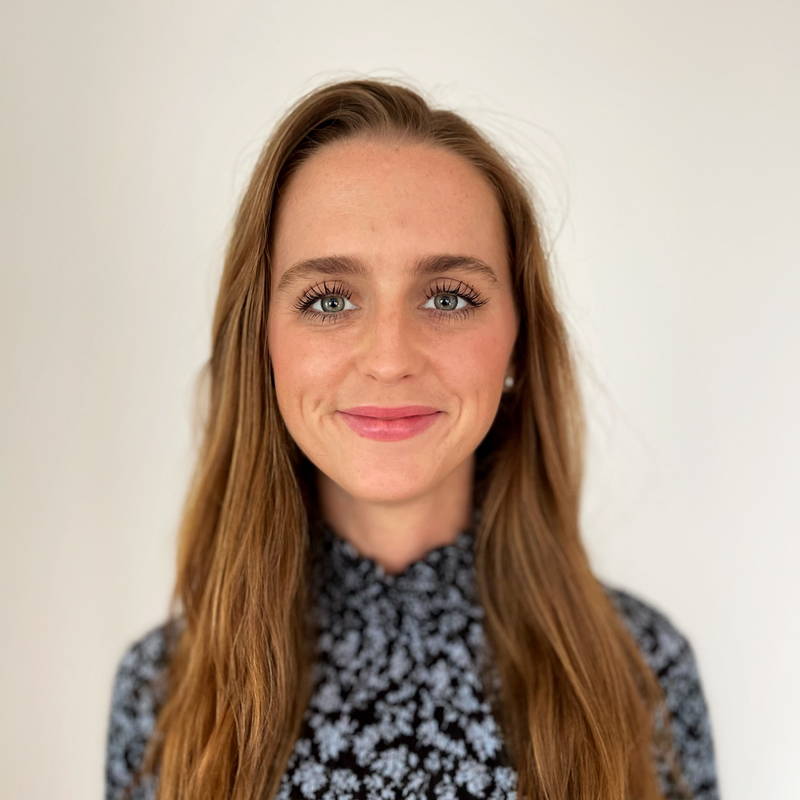
Claire Saulnier
Workplace Partner
Previously at Ensoma · United States
Joined May 2026